







Live Lighter, Spend Smarter, Tread Softer

Today we explore the budget and sustainability gains from owning only what fits in a single suitcase: fewer purchases, smaller bills, lower carbon, and a calmer mind. Expect practical numbers, realistic packing frameworks, repair-first habits, and heartfelt stories that prove less can be enough, even generous. Join the conversation, share your own constraints or victories, and discover how traveling light through life can unlock financial clarity, environmental responsibility, and everyday freedom without sacrificing comfort, warmth, or personal style.

The Money You Stop Burning

When your life comfortably fits in a suitcase, your costs bend to your priorities. You avoid paying for storage units, oversized apartments, frequent replacements, and impulse duplicates. Your budget gets cleaner, predicting expenses becomes easier, and savings accelerate. It is not about deprivation; it is about cutting financial leaks. With a lean inventory, every item earns its keep, and your money flows toward debt freedom, investable assets, flexibility, and experiences you will remember far longer than any forgotten gadget or dusty shelf.

A Smaller Footprint That Still Feels Like Home

Lifecycle Emissions You Actually Control

Every product carries a hidden trail of extraction, manufacturing, transport, and disposal. By owning and replacing fewer items, you reduce demand across that entire lifecycle. Prioritizing durable, repairable goods amplifies the effect, because each additional year of use spreads the embodied carbon over more days. Buying secondhand further short-circuits new production. These choices may feel small, but compounded across clothing, electronics, and household basics, the footprint reduction becomes meaningful, measurable, and personally empowering without relying solely on complex policy or offsets.

Waste That Never Enters the Bin

Saying yes only to what fits encourages thoughtful packaging, bulk refills, and repair culture. You gravitate toward timeless fabrics, sturdy zippers, and replaceable parts to avoid the heartbreak of disposable failures. With fewer belongings, maintenance is realistic, so you mend, oil, and sharpen rather than discard. Partnerships with local cobblers, tailors, and repair cafes strengthen communities while diverting material from landfills. The most sustainable waste is the one avoided entirely by declining excess and extending the life of what you already own.

Energy You Don’t Have to Use

Minimal gear means fewer devices drawing standby power, less laundry volume, and smaller spaces to heat or cool. Multipurpose tools reduce the number of chargers and cords, shrinking your electrical tangle and your bill. With a compact wardrobe, loads run full and efficient, and air-drying becomes manageable. Travel lighter too: a single carry-on often means fewer transfers, less baggage handling, and an overall lower travel footprint. Your energy savings show up both on your utility statement and in quieter, calmer days.

Curating a Suitcase That Works Daily

A suitcase limit is not a gimmick; it is a design constraint that sparks creativity. Build a system: neutral base layers, adaptable mid-layers, and one or two expressive accents. Choose fabrics that transition across climates and situations. Favor modular tech and compact tools you truly use. Think of compatibility, maintenance, and total weight, not just price. When everything plays well together, you dress faster, pack easily, and live with fewer compromises, discovering that constraint can unlock surprising range and comfort.

Freedom, Focus, and Calm

Owning less reduces decision fatigue and amplifies focus. You skip the daily friction of searching, sorting, and second-guessing. Moves become strategic choices rather than logistical nightmares. With fewer sunk costs, you can accept short-term contracts, try new cities, or spend a season near family. Calm grows from knowing everything important is accounted for and within reach. The mental clarity that follows opens space for meaningful work, better sleep, and the curiosity to notice small joys hiding in ordinary days.

Real Lives, Real Suitcases

The Graduate Who Paid Off Debt

After college, Sam kept possessions to a carry-on and a small backpack. No storage bills, no furniture loans, and a roommate-friendly lease cut monthly costs dramatically. Selling textbooks and unused electronics funded a debt snowball that cleared high-interest balances within a year. With fewer distractions, Sam landed a remote role, negotiated a raise, and built a modest emergency fund. Minimal gear did not limit ambition; it clarified it, turning payments into progress and nervousness into plans grounded in numbers.

The Couple Who Chose Experiences

Maya and Luis pared down to two suitcases and a shared kitchen kit. Instead of a second car, they biked and used car-share, redirecting thousands annually to language classes and a month-long stay in a city they loved. Their apartment felt spacious and easy to maintain; dinners with friends happened more often because hosting was simple. Repairs and quality upgrades replaced constant bargain hunting. The trade-off was clear: fewer things, richer memories, and a carbon footprint that finally matched their values.

The Retiree Who Downsized Gracefully

After decades in a large house, Elena chose a bright studio near parks and libraries. She kept a capsule wardrobe, a beloved sewing machine, and a tiny photo archive. Selling furniture funded travel to visit grandchildren, while simplified utilities and insurance eased her budget. With fewer rooms to clean, she joined a walking group and a repair cafe, teaching mending skills to younger neighbors. Her suitcase is not about austerity; it is about presence, independence, and intergenerational kindness.

Start Today: A Practical 30-Day Path

Momentum begins with one honest audit and a few clear rules. In a month, you can test a suitcase standard without risky leaps. We outline weekly checkpoints, realistic packing experiments, and money moves that pay visible dividends. Along the way, you will discover personal comfort thresholds, smart exceptions, and supportive communities. Share your progress, ask for feedback, and subscribe for checklists, calculators, and packing templates. The goal is not perfect minimalism; it is a lighter, greener, affordable life you enjoy.

Week One: Audit and Align

Walk your space with a notebook and brutal honesty. List what you used in the last thirty days, what you truly love, and what duplicates linger. Set a suitcase capacity target by liters, not vibes, then map categories to volumes. Align choices with values: debt payoff, travel goals, or family time. Photograph everything to reduce attachment. Place outliers in a quarantine box to test whether you miss them. Post your intentions to friends for accountability; small public promises work wonders.

Week Two: Sell, Donate, Repair

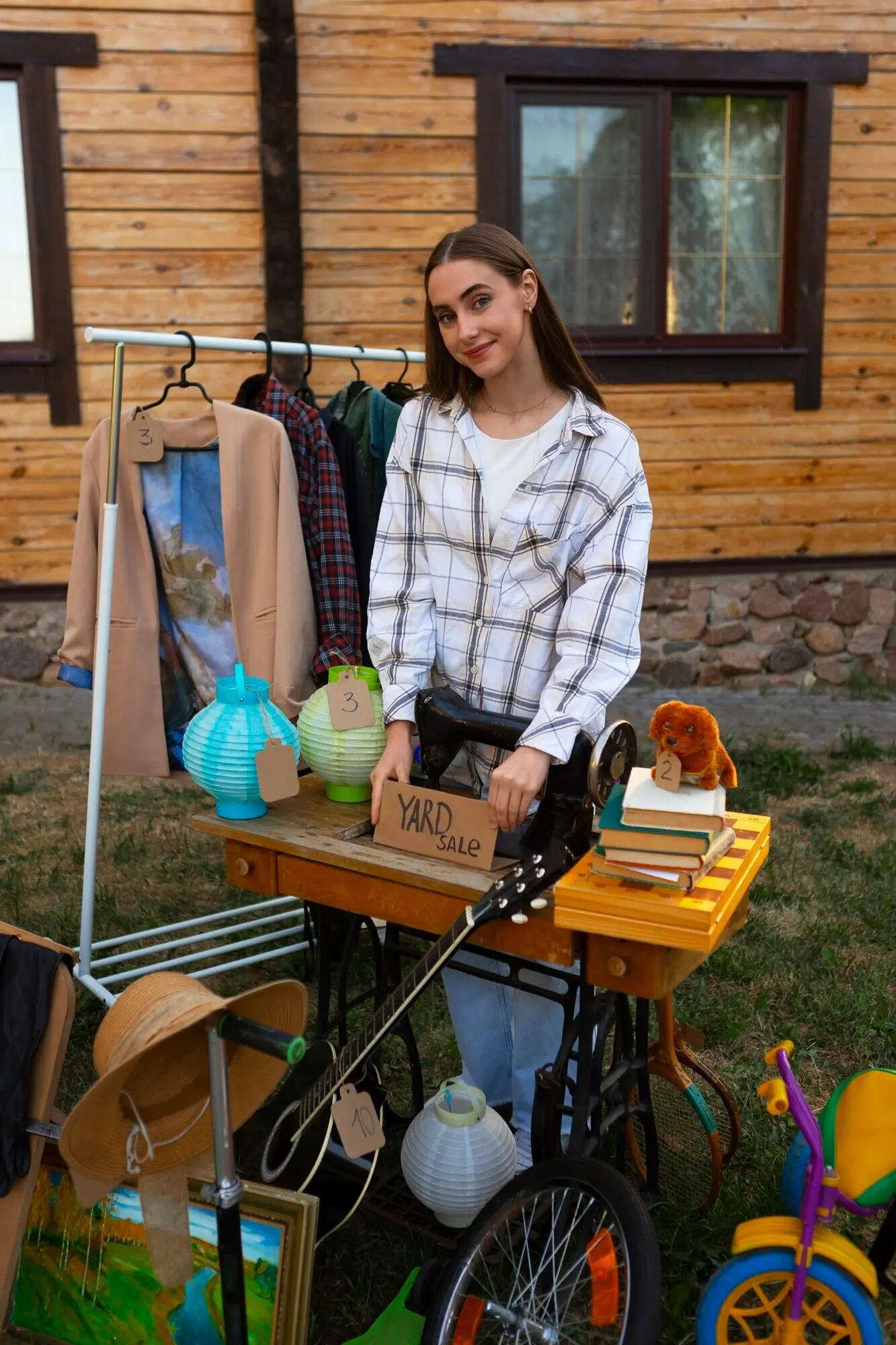
Channel momentum into action. List valuables on reputable markets, schedule donation pickups, and set a single repair afternoon for shoes, zippers, or wobbly chairs. Track proceeds and immediately allocate them: a specific debt, savings bucket, or upcoming ticket. Avoid scattering energy—batch your listings and errands. Celebrate each empty shelf as capacity for breathing, not refilling. Share before-and-after photos to inspire others and harvest encouragement. By week’s end, your environment and account balances should both look sturdier and clearer.
Week Three and Four: Pack, Live, Adjust

Pack your provisional suitcase and live from it at home. Note friction honestly: missing layer, awkward shoe, redundant gadget. Fix the system, not just the item. If something sits unpacked for a week without genuine need, release it. Practice a two-hour move: imagine relocating tomorrow and time yourself. Refine labels, backups, and digital workflows. Invite questions, join a repair meetup, and subscribe for our ongoing challenges. By day thirty, you will own a kit that supports you beautifully, anywhere.

Shuttersculpt
Privacy Overview

This website uses cookies so that we can provide you with the best user experience possible. Cookie information is stored in your browser and performs functions such as recognising you when you return to our website and helping our team to understand which sections of the website you find most interesting and useful.